

Custom web-based software
At Applicable we are passionate about high quality custom software development that delivers great customer experiences and often kickstarts new ventures. Most businesses run on a mix of spreadsheets, email threads, a generic CRM that nobody updates, and one person who knows how it all fits together. A custom web app replaces that with one system built around your process. It runs in the browser, so there is nothing to install, and it works on a phone on site as well as a laptop in the office.
Three things drive most of the web apps we build:
- Automation. Automation is now essential to longer-term profitability. Those who invest early end up more profitable than slower competitors. A field form that used to be re-typed in the office, a quote that used to be built in a spreadsheet, an approval that used to be an email chain.
- Customer experience. CX is an increasingly key driver of buyer behaviour, so the natural partner to automation is asking how intuitive your systems are for the people who use them: your customers in a portal, your staff on a tablet.
- New ventures. Sometimes the web app is the business: a marketplace, a SaaS product, a member platform. We have built those too, and scoped them to launch as a first version rather than a five-year plan.
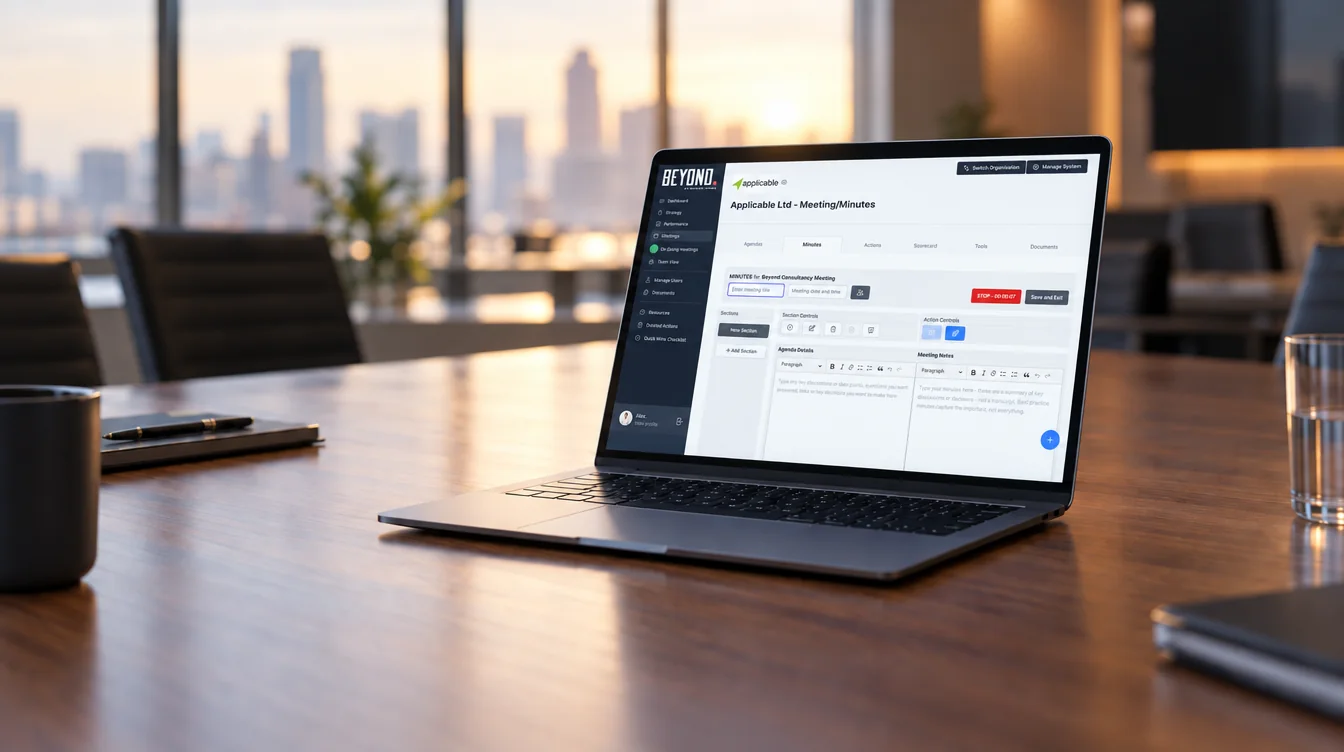
Applicable has built these for Sport New Zealand (a governance reporting platform in use since 2012), EAP Services (client insights), ICRA (dispute resolution case management), Beyond (a strategy execution platform for Advisory.Works) and Firestop (passive fire compliance with offline mobile forms).
Built faster, owned outright
The back-end of any web app, the database, business logic, notifications and APIs, is the part below the water line that eats project budgets. Applicable's own build accelerator, Hypercode, generates most of it, which is why our fixed prices land where they do. What it produces is ordinary code: deployed anywhere, fully owned by you, zero licence fees.
Field and business apps
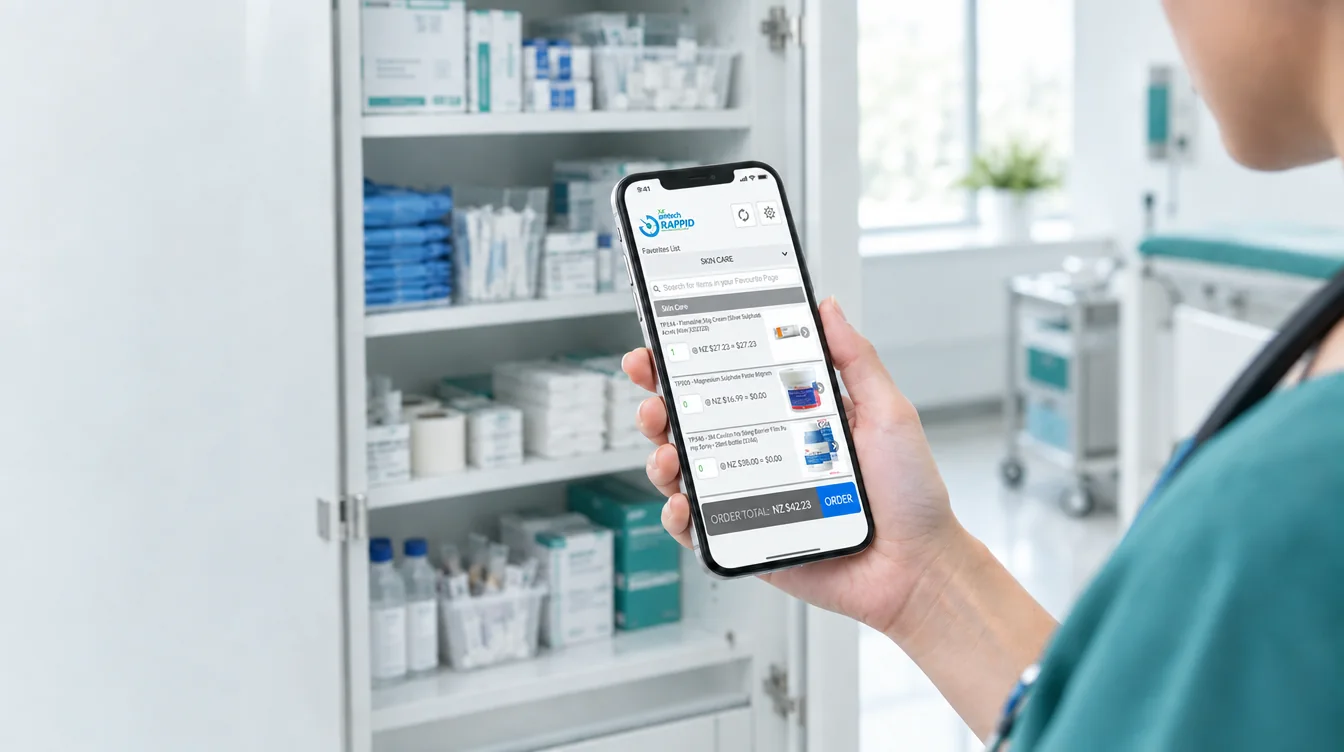
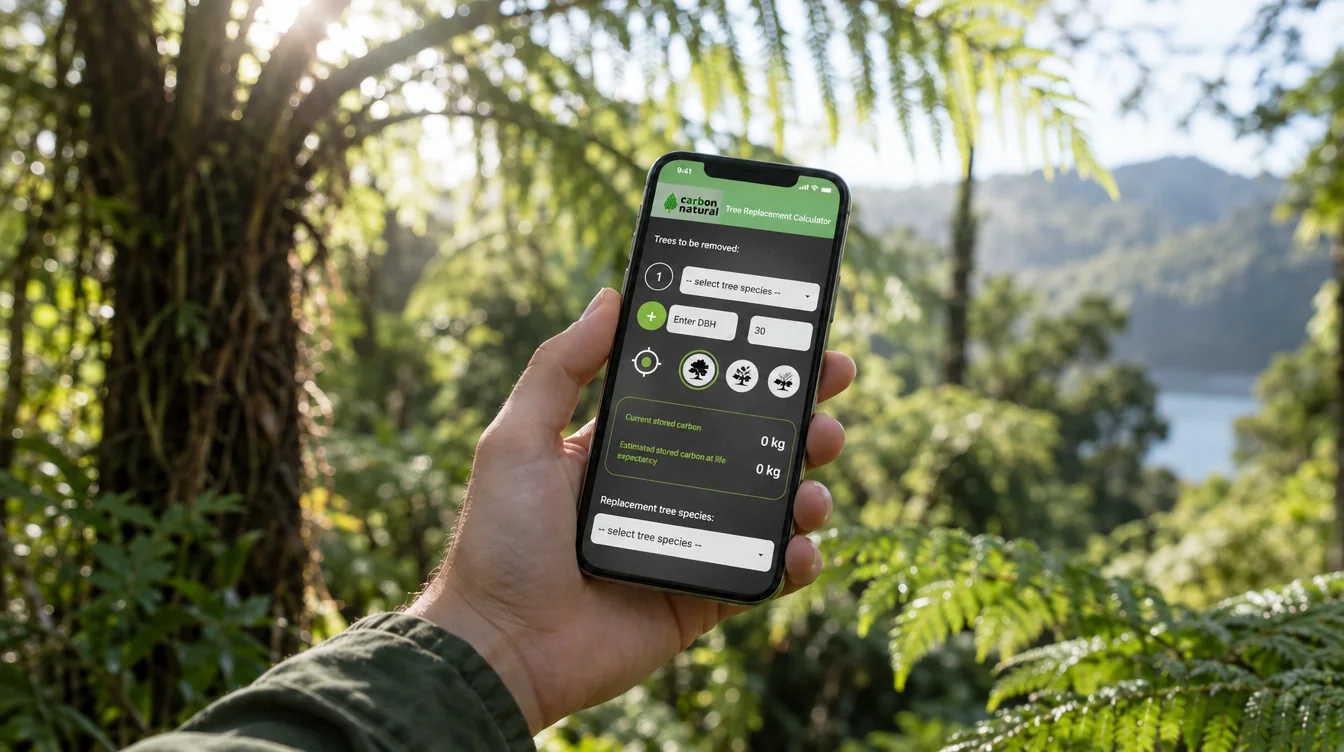
Some of what we build runs on a tablet in a basement or a phone in a truck. Firestop's passive fire app, Carbon Natural's tree-replacement calculator and a bulk haulage operator's driver workflow app are all Applicable builds: cross-platform where one code base serves both stores, native where the job needs it, and offline-first with syncing when there is signal.
What we build
- Customer portals. Clients log in to see quotes, jobs, documents, invoices and progress. Fewer "where is my…" phone calls.
- Staff and field portals. Job sheets, checklists, photo capture, sign-off, working offline and syncing when there is signal.
- Booking and ordering systems. Built around your rules: availability, pricing tiers, deposits, cut-off times.
- Quoting and calculators. Your pricing logic, encoded once, used by everyone, with a PDF at the end.
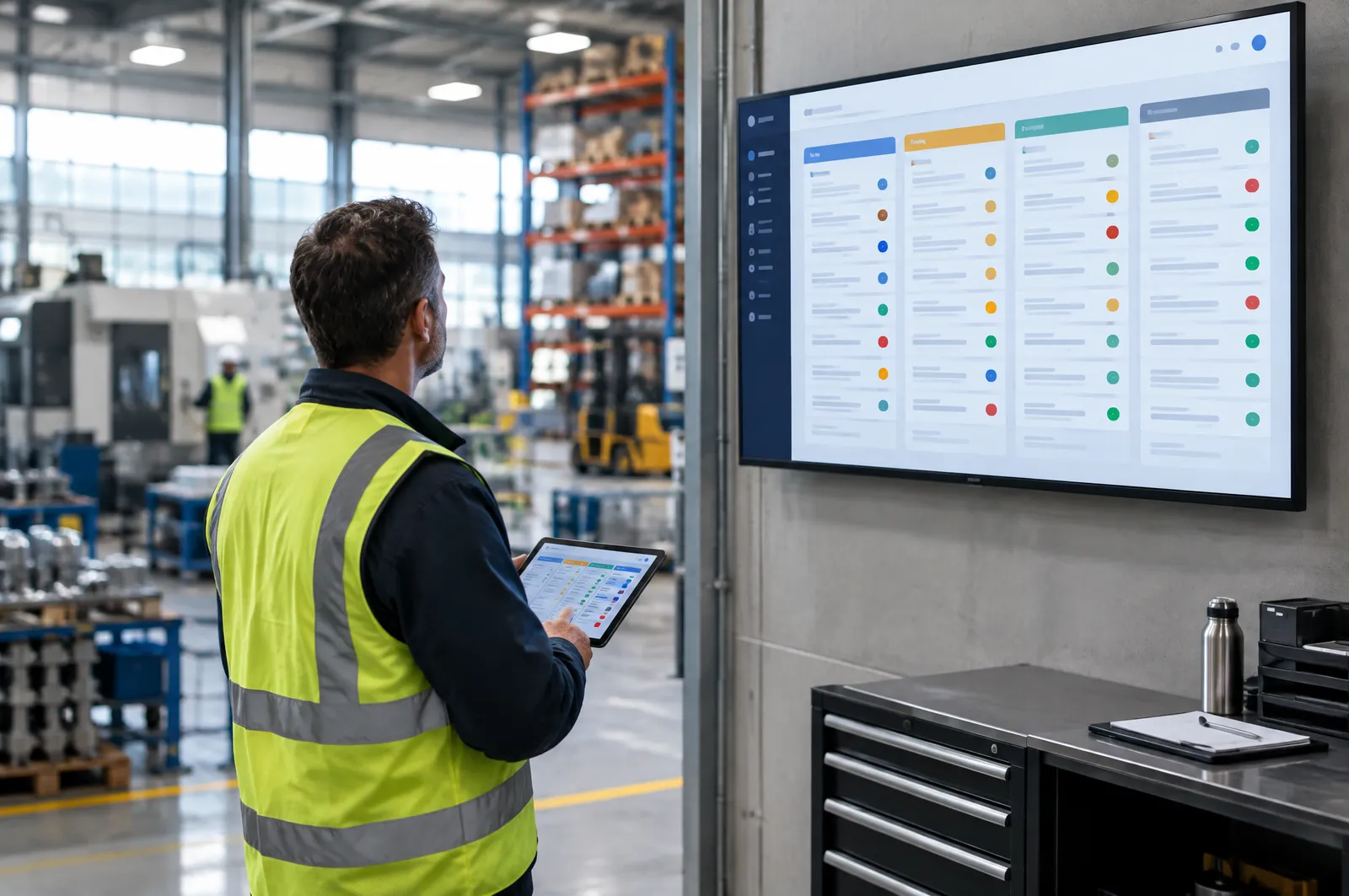
- Job and case tracking. Status, ownership, history and reporting for work that moves through stages.
- Dashboards and reporting. Numbers from the systems you already have, in one place.
Custom or off the shelf?
Off-the-shelf software is the right answer when your process is standard and the product fits. It is the wrong answer when you are paying per seat for features you do not use, bending your process to fit the tool, or exporting to a spreadsheet to get the report you need. We will tell you which you are in the first conversation; we have sent people to buy a subscription before.
Custom vs off-the-shelf job management software
What it costs
Custom web applications are scoped individually. Small tools (a calculator, a single-purpose portal) start around NZ$15,000 plus GST. Portals and workflow systems typically sit between NZ$30,000 and NZ$100,000. Large multi-role platforms can reach around NZ$250,000. Scoping produces a fixed price, and changes during the build are quoted before they are built.
Integrations
Web apps rarely stand alone. We connect to Xero, MYOB, payment gateways, email platforms, mapping, and the job or CRM systems you already have.
How the project runs
Listen, scope (often with a prototype in front of your own users), build in short cycles, test with your people, launch, support.
Key takeaways
- Applicable builds customer portals, staff portals, booking and ordering systems, quoting tools and job tracking for Auckland businesses.
- Small tools start around NZ$15,000 plus GST; portals and workflow systems typically NZ$30,000 to NZ$100,000; fixed price after scoping.
- Field apps are built to work offline and sync later, proven on passive fire compliance work for Firestop.
- Clients own the code and the hosting accounts.