


Practical writing on websites, web apps and getting software built.

Builder, freelancer, agency or Applicable: the four ways an Auckland SME gets a website built, compared on cost, timeline, ownership and what breaks.

A generic CRM suits most NZ small businesses. When the real need is a client portal or a workflow tool, a web app built around how you work does better.

Off-the-shelf inventory software suits most NZ businesses. When multi-site stock, your own process or offline barcode capture breaks it, what to build.
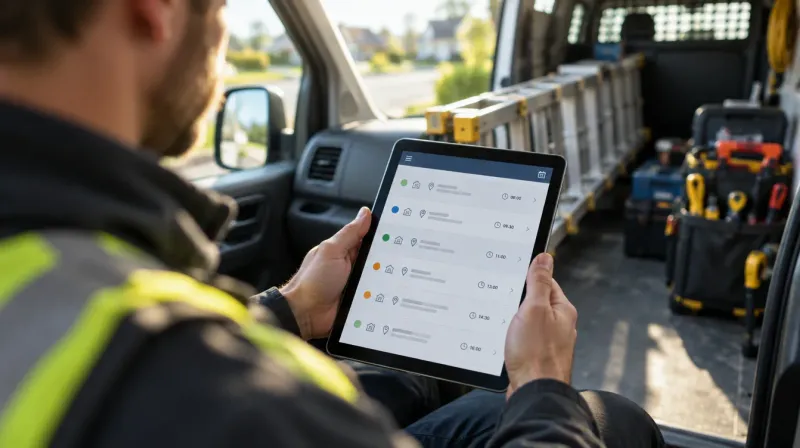
When off-the-shelf job management software is the right buy for an NZ trades business, and when a custom field app built around your workflow pays off.

Off-the-shelf quoting software suits most NZ businesses. Here is when complex pricing rules, calculators and accounting integration justify a custom build.

Hypercode is Applicable's own low-code back-end accelerator: how it was built, what it generates and why clients get faster builds with no licence fees.

A start-up guide to the software journey: validating the idea, assembling the team, user-centred design, iterative development, quality assurance and life after launch.

Applicable's philosophy for adding AI to software: integrate it thoughtfully where it adds value, enhance existing systems, tailor it to the project and work collaboratively.

An overview of Applicable's approach to AI in software and app development: integration, machine learning, UX, data security, sustainability and the cloud.

What the EO New Zealand report says about entrepreneurs and AI, and five practical AI opportunities for Kiwi businesses in an uncertain economy.

What security means in custom software built in NZ, why it matters to a small business, the practices to expect and the questions to ask your developer.

How AI is changing mobile apps through natural language processing, predictive analytics and content generation, with business use cases and example apps.

Five app trends for 2023: accelerating AI, the Internet of Things, wearable devices, augmented reality and mobile wallets.

Plain-English definitions of the software jargon you will meet on a web project: web app, portal, API, integration, low-code, scoping, UAT and more.

What clients get from Applicable after 14+ years: technical expertise, quality assurance built into the development cycle, open communication and experienced project management.

Ten digital myths that stop NZ small businesses investing in better systems, from cost and job losses to "only for IT", and what is true instead.

The elements of a successful app project: concept, UX design, prototyping, honest advice, tech stack, back-end, automated testing, user feedback and marketing.
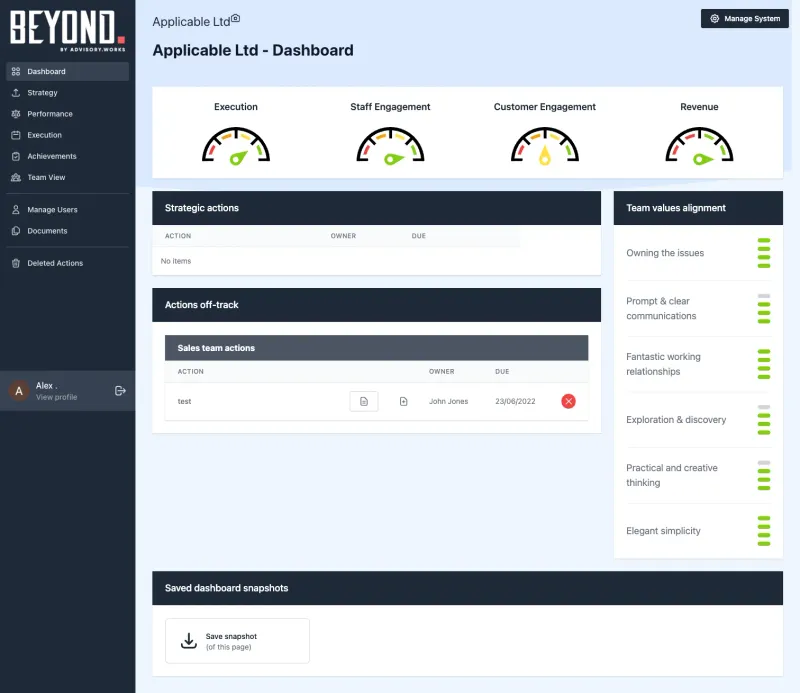
How Applicable worked with Advisory Works to design, build and iterate the Beyond business coaching platform, from MVP wireframes to a React front-end on a .NET back-end.

A car dealership's broken form, outsourced chat and re-keyed booking show what disconnected systems cost a small business and what to connect first.
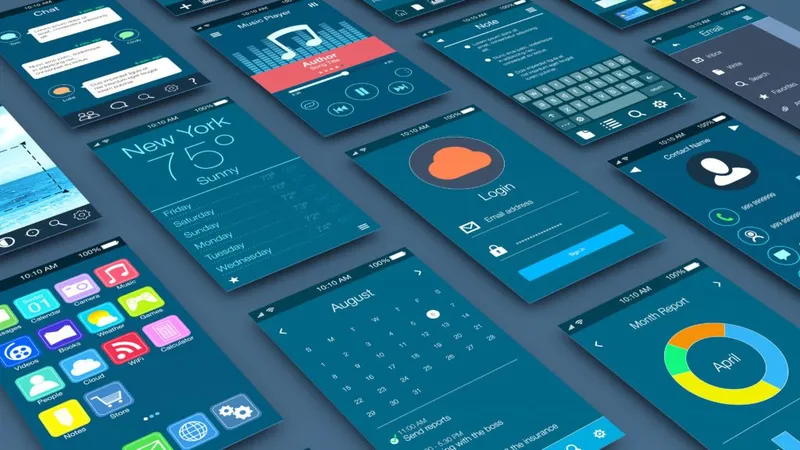
Four things that make an app stand out: it is useful, it is intuitive, it is shaped by user feedback and its colour and design are chosen deliberately.

Four reasons digital strategies fail: buzzwords instead of meaning, unclear goals and budget, employees not on board and no clear measurement of return.

Four UX and UI trends in mobile app design in 2022: a human-centred approach, voice search, micro intentions and AI-driven chatbots.

Five factors to weigh when picking an app development company: location, expertise, platform coverage, security and ongoing maintenance and support.
Eighteen months into the pandemic, a look at what changed for NZ businesses and six likely disruptions to plan for, from inflation to supply chain and climate risk.

Key takeaways from McKinsey's "The new digital edge" survey: digital adoption jumped years in months, business models are being disrupted and digital leaders are outperforming.
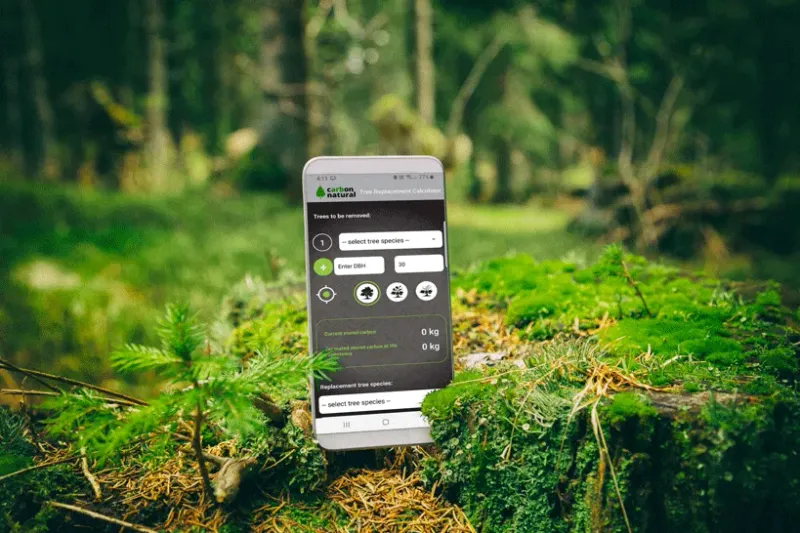
How Applicable built the Carbon Natural tree replacement calculator for Urban Forest Solutions in React Native, from wireframes to a report generated from trunk diameter data.

Why a business needs a digital strategy now, how to evaluate new technology against the customer journey and why younger companies adapt faster.

How to choose between iOS and Android for a business app, and why Android suits internal apps that never need to go through an app store.

Why small and medium businesses are commissioning apps: efficiency, integration with existing systems, mobile staff, brand recognition and reaching a global market.

Five fundamentals for getting a new website ranking on the first page of Google: CMS choice, technical on-page SEO, keyword research, fresh content and backlinks.

Seven UX questions to ask before building an app, illustrated with screens from the Fire Report passive fire app and a truck driver workflow app.
Four steps to check whether an app idea fits its market: know the target customer, research their pain points, study competitors and measure against the total addressable market.