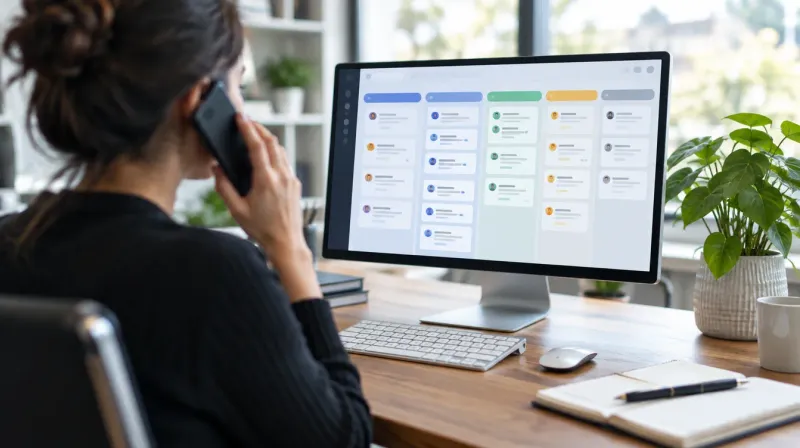


Most NZ businesses should buy off-the-shelf inventory management software, especially if stock lives in one place and flows through a standard purchase-sell-reorder cycle. Applicable builds custom inventory tools when stock is spread across sites or vehicles, when your process does not match the product's model or when staff need barcode and mobile capture that works with no signal.
What the subscription tools do well
Off-the-shelf inventory software tracks stock levels, cost, reorder points and suppliers, and posts to your accounting package. The better ones handle multiple warehouses, purchase orders, basic barcode scanning and an online store connection. For a retailer, a wholesaler or a small manufacturer with a conventional flow, that is the whole job and it costs a monthly fee.
Buy one if your stock sits in one or two locations, your units are simple and your accounting package already has an inventory add-on you have not tried. Do not build first.
Where off-the-shelf runs out
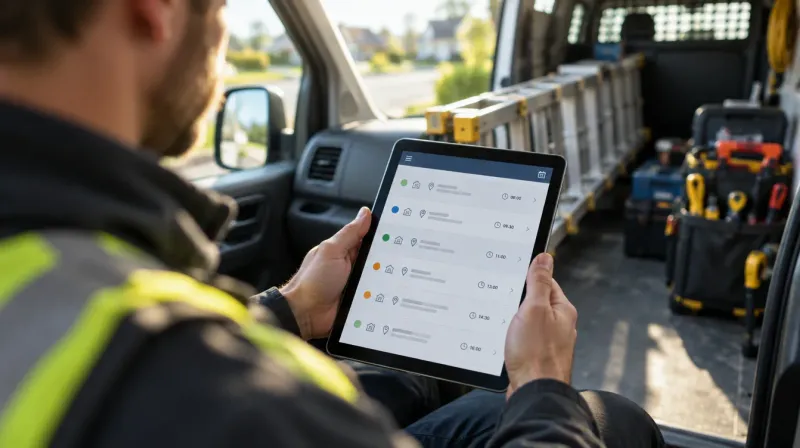
Multi-site with real movement. Stock on vans, at customer sites, on hire, on consignment or in transit between branches is where the generic model gets awkward. The tool knows warehouses. It does not know that a van is a warehouse that moves, or that a site has a holding area that must be reconciled weekly.
Your process is not the product's process. Kitting, batch and serial tracking with your own rules, stock that changes state (raw, work in progress, finished, quarantined), consumables logged against a job. Every one of these can be configured in a subscription tool up to a point. Past that point, staff run a second spreadsheet, and the tool's numbers stop being trusted.
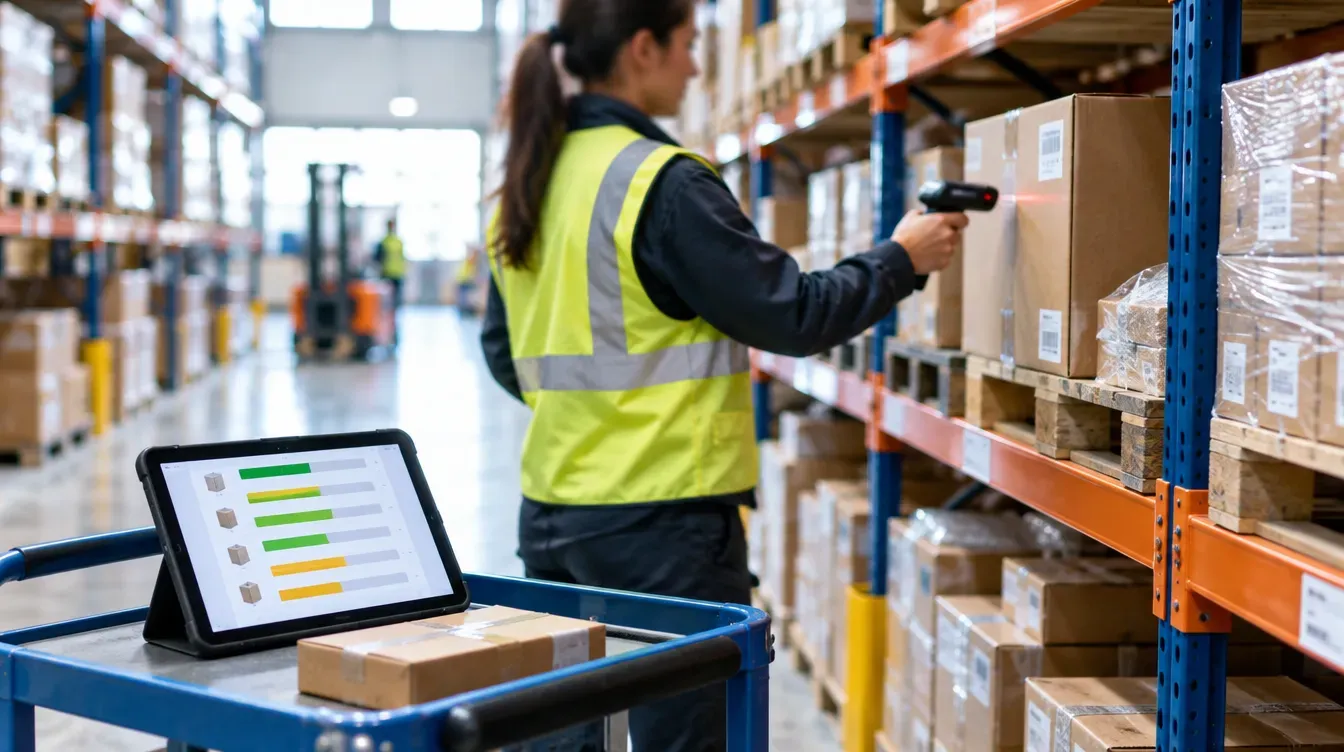
Barcode and mobile capture that has to work offline. Scanning in a cold store, a basement or a rural depot with no signal. If the app will not save without a connection, staff write it down and key it later, and the stock count is wrong by the afternoon.
Reporting someone else demands. Compliance, traceability or client-specific reports that the tool's report builder cannot produce without manual assembly.
Comparison
| Off-the-shelf inventory software | Custom inventory tool (Applicable) | |
|---|---|---|
| Best for | One or two locations, standard flow | Stock across sites, vans or customer locations |
| Upfront cost | Low; monthly subscription | Fixed-scope project, quoted after scoping |
| Time to start | Days | Weeks to months |
| Multi-site | Warehouses | Any location type you define, including vehicles and sites |
| Process fit | Configured within the product's model | Built to match yours |
| Barcode and mobile | Included, online | Offline capture with sync, built for the device you use |
| Accounting | Included integration | Built to your package |
| Ownership | Rented | You own the code and the data |
| What breaks | The second spreadsheet | Nothing you have not asked to change |
Mobile and offline is the deciding factor more often than people expect
An inventory tool is only as good as the moment of capture. If the person moving the stock cannot record the movement right there, on the device in their hand, with or without signal, the system drifts from reality and everyone stops trusting it.
Applicable's field apps are built to work offline from the start, storing data locally and syncing up and down as connectivity allows. The passive fire apps built for Firestop and Fire Report capture work items, photos and plan markups on a tablet in basements and on new-build sites, print QR-coded labels to a portable printer and scan those labels back in. The same approach, capture once in the field and sync when you can, is what a multi-site inventory tool needs.
The middle path
Keep the subscription tool as the system of record for cost and accounting. Build the capture layer it lacks: an offline mobile app for vans and sites, a stocktake tool that matches your process, or a client portal that shows consigned stock. Feed the results back to the subscription tool. Applicable scopes that as a fixed-price project.
How to decide
- Count the locations, including vehicles and customer sites, where stock actually sits.
- Ask staff if there is a second spreadsheet. There usually is.
- Check whether stock movements are recorded at the moment they happen or later.
- If any answer worries you, book a scoping call. Applicable will give a ballpark early and say plainly if the subscription tool plus one add-on would do.
What it costs
Applicable prices on a fixed scope. The old site published a bracket for custom applications running up to around NZ$250,000 plus GST, and a capture app or stocktake tool for an SME sits well below that. Changes after scoping are quoted in writing before they are built.
Key takeaways
- Buy off-the-shelf inventory software if stock sits in one or two locations and flows through a standard cycle.
- Stock on vans, at customer sites or on consignment is where the generic warehouse model breaks.
- If movements are not recorded at the moment they happen, on the device in hand, the numbers stop being trusted.
- Applicable's field apps for Firestop and Fire Report capture data, photos and labels offline and sync when connected.
- Keeping the subscription tool for accounting and building only the capture layer is a common fixed-scope project.
Faq
Can inventory software work without mobile coverage?
A custom app can if it is built for it. Applicable's field apps store data locally and sync when a connection is available, so scanning in a cold store or a rural depot still records the movement. Many subscription apps need a live connection.
Do I need custom inventory software for multiple sites?
Not always. Subscription tools handle multiple warehouses. You need custom when the "sites" are vans, customer premises, hire or consignment, and the tool's warehouse model does not describe them.
Can a custom inventory tool connect to my accounting package?
Yes. It is a standard scope item. Applicable builds the integration to your package and maintains it under a retainer.
Can I keep my current inventory software and add to it?
Yes. A common pattern is to keep the subscription tool as the system of record and build the offline capture or stocktake layer it lacks, feeding results back to it.